The knee joint is a meeting place of forces. The femur, tibia, and patella must track in precise relationship, guided by ligaments and cushioned by cartilage. Over time, changes in these structures—often labeled osteoarthritis—can alter how the joint moves. Yet these changes alone do not fully explain pain. Many individuals show significant structural variation on imaging and remain relatively symptom-free.

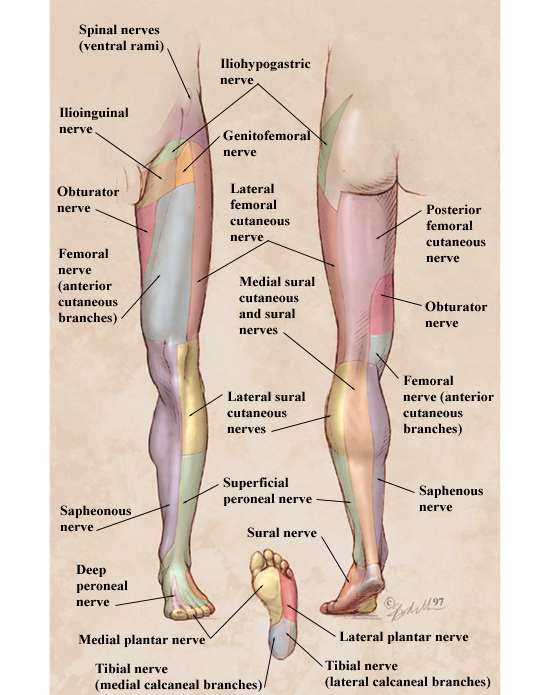
What leads to a “bad knee” is rarely confined to the knee itself. Like the spine, the knee exists within a network—a whole community of muscles, connective tissues, joint surfaces, and fluid dynamics—each influencing how the others function. When discomfort arises, it is often not a single structure failing, but a breakdown in how these elements work together. But typically it is diagnosed as a single problem needing surgery. And often the pain persists AFTER surgery because the larger issues were not addressed–ones that might have helped to AVOID surgery in the first place.
Surrounding the knee is its community active-support system: the muscles of the thigh and hip. When these muscles function in balance, they stabilize the joint and distribute load efficiently. When they weaken or fall out of coordination—a process that can accompany sarcopenia—muscle wasting, the knee is asked to absorb forces it was not designed to manage alone. What is often experienced as “knee pain” may, in fact, reflect a broader loss of support.
Fluid plays its role here as well. The joint is nourished by synovial fluid, which circulates in response to movement, distributing nutrients and reducing friction. Often a scary diagnosis instills fear of movement. When movement becomes restricted or guarded, this needed circulation may diminish further, and the joint environment becomes even less responsive. Then the surrounding tissues—tendons, fascia, and muscle—that normally shift along a continuum between gel and sol states becoming fluid with appropriate activity, now become more fixed and stagnant with disuse.
Acupuncture can address the laser-like energy patterns that are underlying all the other systems. It revives the nerves, muscles, tendons, cartilage and blood flow. The outcome often seems like magic but it is based on well documented science. And a shift that I have observed regularly in my practice for many decades, often even in cases of “bone on bone”. Contact me here or at drkathleenrosenblatt@gmail.com for further discussion.